

Why GLP-1 Therapy, Hormone Replacement, and Peptides Can Work Together: The Mechanism for Metabolic Synergy

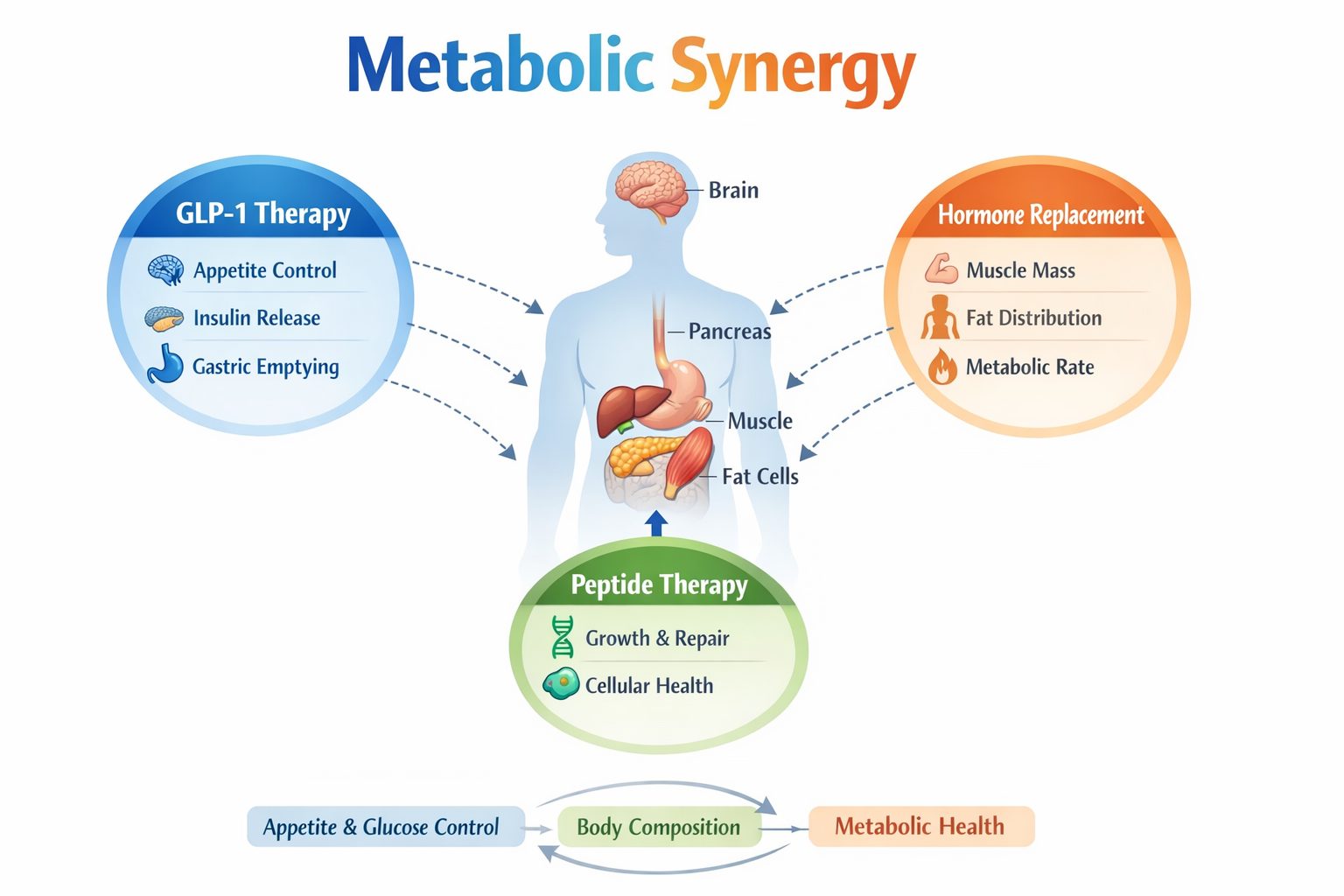
GLP-1 therapy, hormone replacement therapy (HRT), and peptide therapies can work together because they target distinct yet interconnected endocrine mechanisms that regulate the body’s metabolic functions, body composition, and metabolic rate. GLP-1 receptor agonists control appetite and insulin secretion, whereas sex hormones control muscle mass, fat distribution, and metabolic rate. Peptide therapies can also control growth hormone and repair mechanisms [1].
These hormones regulate multiple metabolic organs and functions, including pancreatic beta cells, fat, muscle, and the hypothalamus, which controls appetite. These hormones and hormone therapies can therefore control these organs and functions, allowing proper metabolic function and balancing energy intake, storage, and metabolic efficiency.
In telehealth metabolic programs, physicians often evaluate hormone levels, metabolic biomarkers, and patient history to determine whether combined therapies may support long-term metabolic health. At EmbraceRx, treatment planning emphasizes therapies informed by clinical pharmacology and endocrine physiology, and it tracks measurable biomarkers, rather than single treatments that overlook how hormones work together in the body.
How Do GLP-1 Receptor Agonists Influence Metabolic Regulation?
GLP-1 receptor agonists are known to influence metabolic regulation by activating GLP-1 receptors in the pancreas, gastrointestinal tract, and brain, which are involved in regulating insulin release, gastric emptying, and appetite. The activation of GLP-1 receptors increases cyclic AMP (cAMP), which is involved in insulin release in the presence of glucose and decreases glucagon levels [2].
GLP-1 receptors are also found in the hypothalamus and brainstem, where they help regulate appetite and energy balance. GLP-1 receptor agonists therefore regulate both peripheral and central metabolic processes, which are beneficial for glycemic control and body weight. The influence of GLP-1 receptor agonists on metabolic processes is associated with several effects, which are described below:
- Reduced caloric intake through appetite suppression
- Improved glycemic control via insulinotropic signaling
- Slower gastric emptying that enhances satiety
- Reduced postprandial glucose excursions
These actions of GLP-1 are important in clinical practice because they provide a mechanism to simultaneously control two key metabolic processes. This is why GLP-1 receptor agonists are a cornerstone of current metabolic treatment programs.
Why Do Sex Hormones Play a Critical Role in Body Composition?
Sex hormones regulate body composition because estrogen and testosterone influence fat distribution, muscle protein synthesis, and metabolic rate. These hormones interact with nuclear hormone receptors that control gene transcription involved in adipocyte differentiation and skeletal muscle metabolism, affecting how the body stores fat and maintains lean muscle mass [3].
Reduced Lean Muscle Mass
Testosterone plays a role in the maintenance of lean muscle mass and anabolic signals in skeletal muscle. When testosterone levels decline or become altered, the body may experience reduced lean muscle mass, which can affect strength, metabolic efficiency, and overall body composition balance.
Increased Visceral Adiposity
Estrogen plays a role in metabolic stability, including lipid metabolism and insulin sensitivity. When estrogen levels change, fat distribution patterns may shift. Clinical research shows that hormonal changes can lead to increased visceral adiposity, which refers to fat stored around internal organs.
Altered Insulin Sensitivity and Metabolic Rate
Hormonal changes can influence insulin sensitivity and resting metabolic rate. Clinical research indicates that altered hormone levels may affect glucose regulation and metabolic activity. These changes can contribute to shifts in body composition and the storage of body fat over time.
Hormonal alterations may be attributed to factors such as aging and endocrine disorders like hypogonadism. Hormone replacement therapy may help restore hormonal balance in patients with documented deficiencies. Once hormonal levels normalize, patients may experience improved energy metabolism and more stable body composition.
How Do Growth Hormone-Stimulating Peptides Influence Metabolism?
Growth hormone-stimulating peptides influence metabolism by activating the hypothalamic–pituitary axis. According to clinical reviews of the somatotropic axis, growth hormone plays a critical role in lipid metabolism, muscle protein synthesis, and hepatic glucose production [4]. Growth hormone stimulates the production of insulin-like growth factor-1 (IGF-1), which supports many processes involved in muscle and connective tissue growth.
Growth hormone and IGF-1 work together to regulate how the body uses nutrients for energy and repairs tissues. Growth hormone signaling produces several physiologic effects: increased lipolysis, promoting the breakdown of triglycerides in adipose tissue; enhanced muscle protein synthesis, promoting lean tissue growth via IGF-1 signaling; and improved body composition, shifting energy utilization toward fat oxidation.
Growth hormone has other physiologic effects that enable it to play an essential role in regulating body composition. Growth hormone influences tissue repair through its role in collagen synthesis and cell repair. Growth hormone stimulates collagen synthesis and repair by promoting muscle protein synthesis.
Why Can Integrated Hormonal Therapy Improve Metabolic Outcomes?
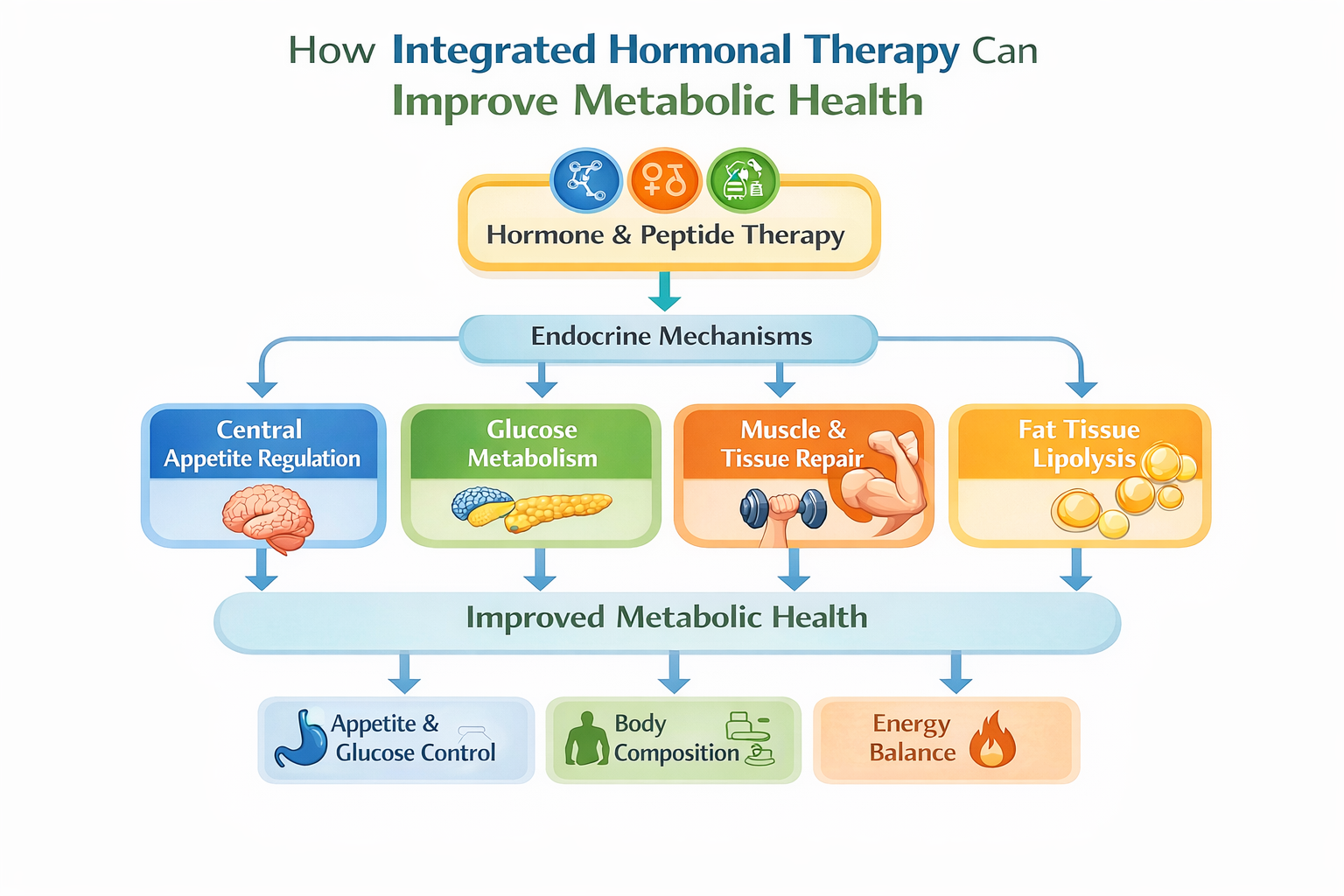
Metabolism is not controlled by a single pathway but is instead a balancing act among various endocrine systems that work together in complex ways. For instance, GLP-1 signaling, sex hormones, and growth hormone all contribute to energy balance in unique ways that regulate metabolism in the human body [5].
The hypothalamus is a key component in controlling hunger and satiety, as well as regulating energy expenditure in the human body. When all of these hormonal signals are in balance, it is then possible to regulate metabolism and partition nutrients into fat and muscle tissue in a stable fashion.
These mechanisms interact through several physiologic pathways:
- Central appetite regulation in the hypothalamus
- Insulin signaling and glucose metabolism
- Muscle protein turnover and tissue repair
- Adipose tissue lipolysis and storage
Because these pathways interact continuously, addressing multiple hormonal factors simultaneously may more effectively support metabolic health than targeting a single pathway, as this approach can lead to a more comprehensive understanding of the body's metabolic processes and improve overall treatment outcomes.
How Do Biomarkers Guide Personalized Hormone and Peptide Therapy?
Biomarkers guide therapy because, unlike other treatments, hormone and peptide therapy must be individualized based on specific physiologic parameters rather than a general therapeutic model. Laboratory tests, or biomarkers, offer objective information on hormone levels, metabolism, and response to therapy [6].
Because metabolic therapy influences many endocrine systems, monitoring the patient’s response helps the clinician assess the therapy's effectiveness and maintain hormone levels within the physiologic range.
Clinicians frequently monitor biomarkers such as fasting insulin and glucose, hemoglobin A1c, testosterone or estradiol levels, IGF-1 concentrations, lipid profiles, and inflammatory markers. The use of these biomarkers helps the clinician determine whether the patient’s response to therapy, such as metabolic therapy, has been favorable.
Why Is Medical Supervision Necessary for Combined Hormone Therapies?
Medical supervision is essential for combined endocrine therapies, as multiple physiological systems are affected simultaneously. Physiologic control of cardiovascular function, glucose metabolism, lipid metabolism, and tissue growth is controlled by hormones. Therefore, it is essential to monitor combined endocrine therapy for efficacy and safety [7].
Clinical supervision of hormone therapy ensures:
- Appropriate patient selection
- Accurate dosing strategies
- Monitoring for adverse events
- Periodic re-evaluation of therapeutic goals
These safeguards are important when therapies influence multiple hormonal systems. Proper medical oversight ensures that hormone levels remain within physiological ranges while allowing healthcare providers to detect and manage any potential complications early.
Who May Benefit from Integrated Metabolic Therapy?
Integrated metabolic therapy may be considered for individuals experiencing metabolic or hormonal imbalances that influence body composition, energy regulation, or glucose metabolism. Patients who may benefit from medical evaluation include individuals who struggle to regulate body weight, patients diagnosed with insulin resistance or metabolic syndrome, and adults experiencing symptoms associated with hormone imbalance.
This approach may also be relevant for patients seeking medically supervised metabolic optimization to improve overall metabolic health. However, a professional medical consultation remains essential before starting any therapy. Healthcare providers typically assess hormone levels, metabolic markers, and overall health status to determine whether integrated metabolic treatment is appropriate for the patient.
Mechanistic Conclusion: Why Integrated Hormonal Strategies Matter
GLP-1 receptor agonists control appetite and glucose metabolism, sex hormones control body composition and metabolic rate, and peptide hormones stimulate growth hormone signaling, which is important for tissue repair and lipid metabolism. These hormones act through integrated, interconnected physiological networks that control and coordinate metabolic and energy functions.
Metabolism is regulated by multiple hormonal systems, and integrated therapeutic strategies may provide more comprehensive metabolic support than isolated therapies. Evidence-based endocrine care relies on objective markers, pharmacologic therapies, and medical supervision to achieve safe and effective treatment outcomes.
Evidence-Based Care at EmbraceRx
Today’s patients are often exposed to disjointed metabolic therapies that only address a single pathway of hormone balance. Healthy metabolic function requires a balancing act of hunger signals, hormone levels, and cellular metabolism.
The licensed medical professionals at EmbraceRx assess patients’ endocrine biomarkers, metabolic health, and their personal health objectives via secure telehealth video conferencing. This helps patients access medically supervised GLP-1 treatment, hormone assessments, and peptide treatment planning without visiting physical clinics. The treatment strategies are evidence-based, and patients can contact our care team for further information on available treatment options.
FAQs
Can GLP-1 therapy replace hormone replacement therapy?
GLP-1 therapy and hormone replacement therapy serve different medical purposes. GLP-1 medications regulate appetite, insulin secretion, and glucose metabolism. Hormone replacement therapy addresses deficiencies in hormones such as testosterone or estrogen. Because they target different physiological systems, these treatments are not considered interchangeable.
Do peptide therapies increase growth hormone permanently?
Peptide therapy does not permanently increase growth hormone levels. Rather, peptide therapy stimulates the body’s natural hypothalamic-pituitary signaling to produce a pulse of growth hormone. This is a physiologic stimulation of hormone production by the body’s natural endocrine system.
Can combined therapies accelerate fat loss?
Combined metabolic therapies may help with fat loss by acting through multiple physiological mechanisms. These mechanisms may include appetite control, hormonal, and energy metabolism. Results may vary depending on individual differences and the overall well-being of the individual receiving treatment.
Are combined hormone therapies safe?
Combined hormone therapy is considered to be safe under the care of a qualified and licensed physician. Having a physician involved in the treatment and monitoring of hormone levels makes it easier to control and manage hormone levels and avoid potential side effects.