Sermorelin Therapy: How It Supports Natural Growth Hormone Production

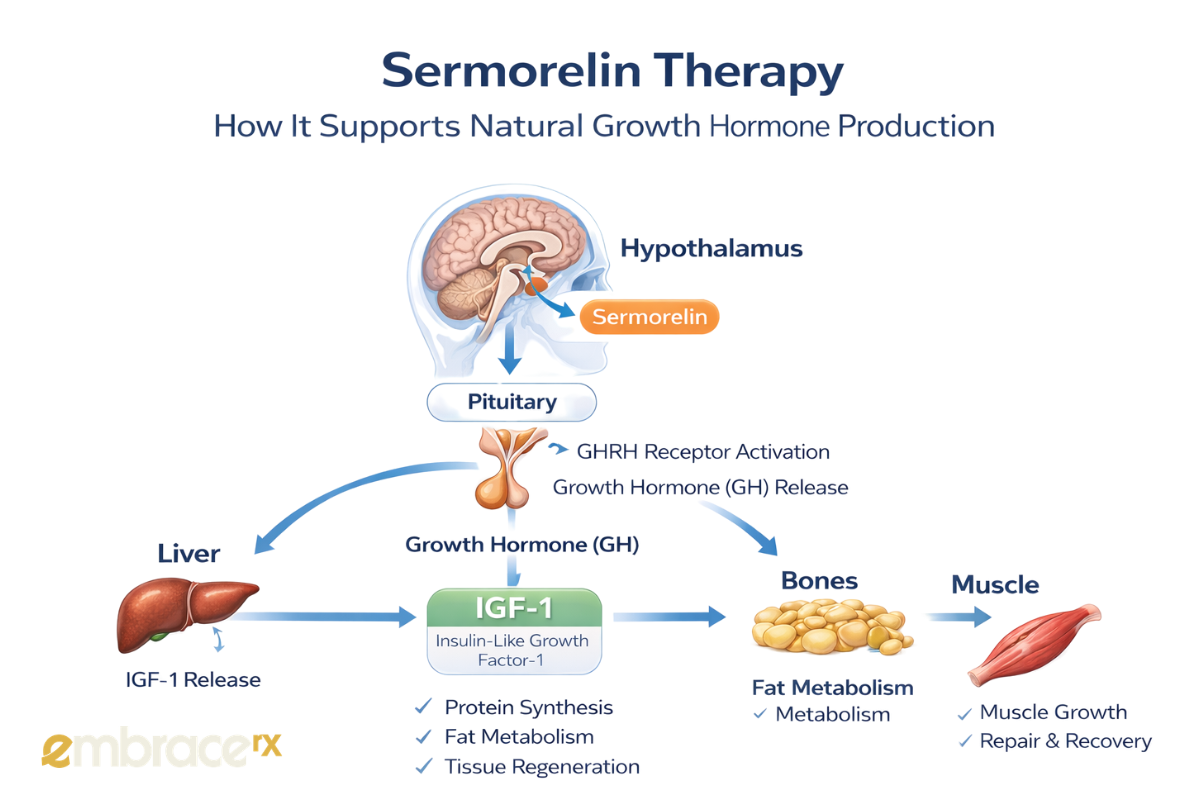
Sermorelin therapy facilitates the role of growth hormone by stimulating the hypothalamic-pituitary axis rather than bypassing it. Sermorelin works by administering growth hormone-releasing hormone analogs to stimulate the anterior pituitary gland to release growth hormone in physiologic pulses. This maintains the body's normal regulatory mechanisms [1].
It is essential to understand how sermorelin supports growth hormone production to help patients and practitioners considering growth hormone therapy that works by supporting endogenous growth hormone production rather than bypassing body regulatory mechanisms.
At EmbraceRx, hormone therapy is delivered through a telehealth model that combines physician oversight, individualized treatment planning, and laboratory monitoring. Care plans are based on evidence-based medical guidelines and focus on restoring balanced hormone function using clinically supported therapies prescribed and supervised by licensed healthcare professionals.
How Does Sermorelin Stimulate the Pituitary to Release Growth Hormone?
Sermorelin stimulates the pituitary gland by mimicking the biological activity of endogenous growth hormone–releasing hormone. When administered, the peptide binds to GHRH receptors on somatotroph cells in the anterior pituitary. This receptor interaction activates intracellular signaling pathways that trigger pulsatile secretion of growth hormone into systemic circulation [2].
Growth hormone release then stimulates hepatic production of insulin-like growth factor-1 (IGF-1), which mediates many anabolic and metabolic effects of the growth hormone axis.
Key physiological processes influenced by GH–IGF signaling include:
- Protein synthesis and muscle repair
- Regulation of lipid metabolism
- Bone remodeling and density maintenance
- Cellular growth and tissue recovery
Sermorelin therapy, a GHRH analog that triggers the release of natural hormones, has the advantage of natural feedback mechanisms, unlike the administration of growth hormone itself.
Why Does Growth Hormone Decline With Age?
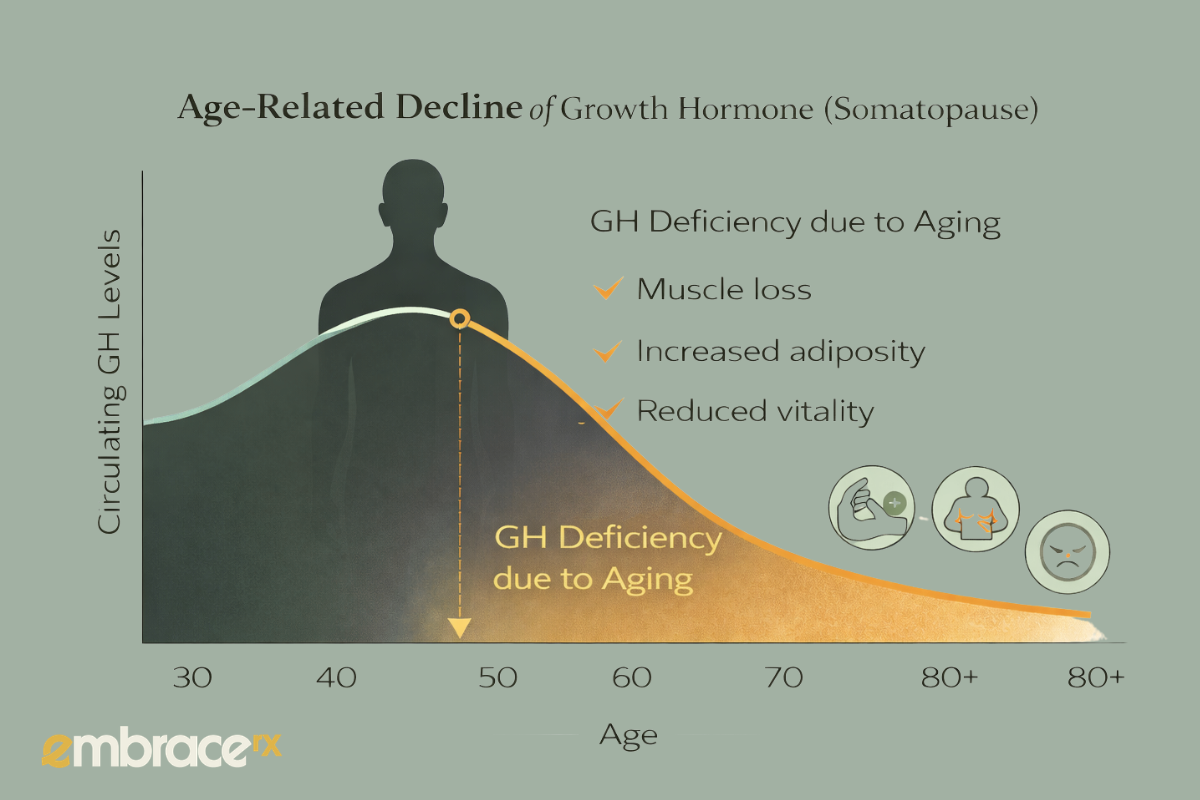
The level of growth hormone secretion gradually decreases with age due to reduced hypothalamic signaling and decreased pituitary responsiveness to the hormone. This natural phenomenon of life is also known as somatopause, in which the intensity of growth hormone secretion decreases, as do levels of IGF-1 [3].
The reduction in growth hormone levels has been linked to many physiological changes in the body. The common physiological changes that can be attributed to the reduction in the levels of growth hormone in the body include:
Reduced Lean Muscle Mass
A decrease in anabolic signaling leads to reduced muscle protein synthesis, resulting in gradual loss of skeletal muscle over time.
Increased Visceral Adiposity
Lower growth hormone levels promote fat accumulation, particularly in the abdominal region, affecting metabolic health.
Decreased Bone Mineral Density
Reduced IGF-1 activity impacts bone remodeling, increasing the risk of decreased bone strength and density.
Slower Tissue Recovery and Repair
Declining growth hormone levels impair cellular repair processes, leading to delayed recovery from physical stress and injury.
While a reduction in growth hormone levels is a natural part of the aging process, it has been linked to physiological effects that can be managed by stimulating the body's natural hormone response.
How Does Sermorelin Preserve Physiologic Hormone Regulation?
Sermorelin preserves physiologic hormone regulation by activating the natural hypothalamic–pituitary axis rather than bypassing it. When growth hormone levels rise after stimulation, feedback signals from somatostatin and IGF-1 regulate further release. This mechanism maintains endocrine balance and prevents uncontrolled hormone secretion within the body [4].
This regulatory system supports pulsatile growth hormone secretion, preserves hypothalamic feedback loops, enables controlled IGF-1 production by the liver, and reduces the risk of supraphysiologic exposure. By maintaining these natural processes, GHRH analog therapy aligns with the body’s biological signaling pathways and supports overall endocrine homeostasis.
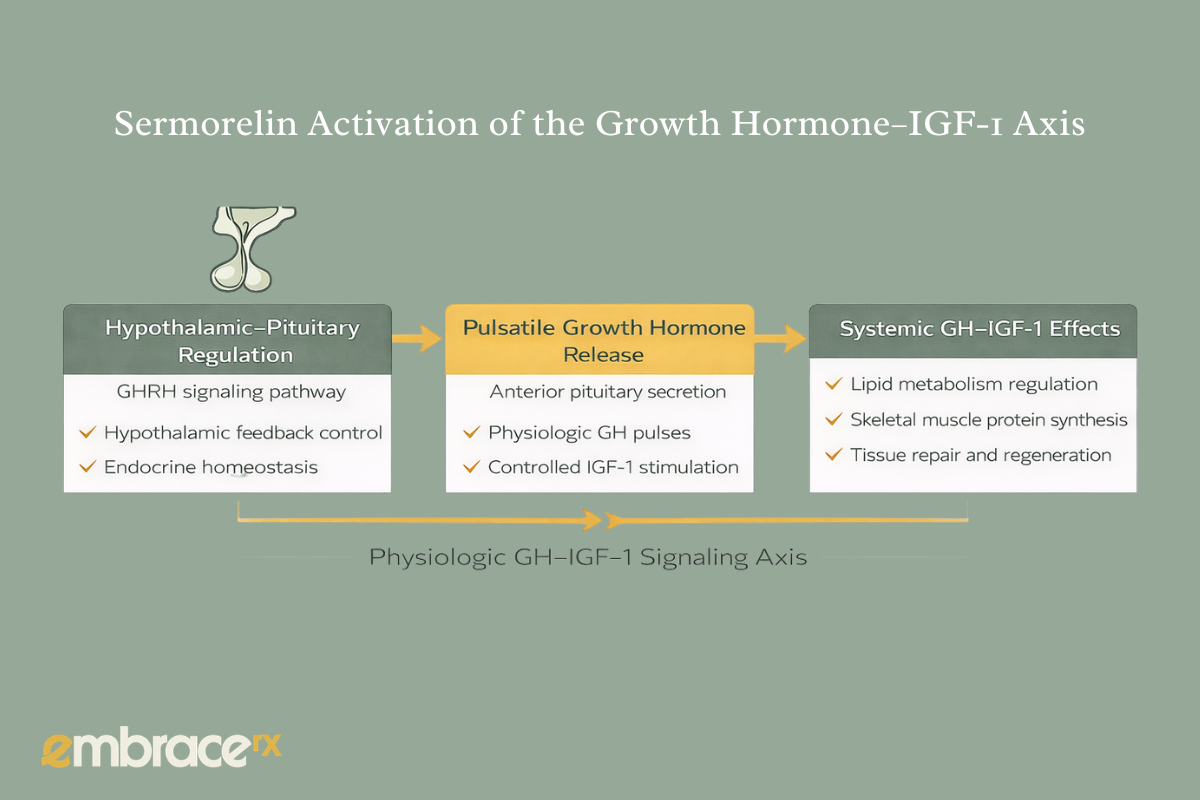
What Clinical Effects Are Associated With Growth Hormone Signaling?
Growth hormone signaling influences multiple physiological systems through interactions with metabolic, musculoskeletal, and cellular repair pathways. The GH–IGF-1 axis regulates nutrient metabolism, tissue remodeling, and protein synthesis across multiple organ systems.
Growth hormone activity is particularly relevant in tissues with high metabolic turnover. Biological effects associated with GH signaling include:
- Regulation of lipid oxidation and fat metabolism
- Support of skeletal muscle protein synthesis
- Maintenance of bone density and connective tissue integrity
- Cellular repair and tissue regeneration processes
Because IGF-1 mediates many downstream effects of growth hormone signaling, circulating IGF-1 concentrations are commonly used as a biomarker of growth hormone activity within clinical evaluation.
What Is Known About the Safety Profile of Sermorelin?
Available studies on GHRH analogs have shown a favorable safety profile when therapy is supervised by a qualified medical professional. Sermorelin mimics the body’s natural hormone signaling by stimulating endogenous growth hormone release rather than introducing exogenous hormones. This mechanism helps preserve normal endocrine feedback regulation and reduces the risk of hormonal suppression [5].
Reported side effects of sermorelin therapy are generally mild and transient. Common effects may include temporary injection site irritation, mild headaches, transient flushing, and occasional dizziness or nausea. These effects are typically short-lived and may resolve without intervention when therapy is properly monitored and adjusted.
Mechanistic Conclusion: How Sermorelin Supports Endogenous Growth Hormone Production
Sermorelin therapy activates the body’s natural regulatory process for growth hormone secretion rather than replacing growth hormone itself. It stimulates growth hormone secretion by binding to growth hormone-releasing hormone (GHRH) receptors in the anterior pituitary gland.
The growth hormone–IGF-1 signaling pathway has been implicated in protein synthesis, lipid metabolism, and tissue repair mechanisms. The therapy stimulates endogenous hormone secretion within normal regulatory controls and thus fits within the physiologic architecture of the hypothalamic-pituitary endocrine system.
Evidence-Based Care at EmbraceRx
Patients today are increasingly subjected to hormone therapies that are not only lacking proper clinical direction but also proper medical supervision. This, therefore, leads to ambiguity about the effectiveness, safety, and proper management of hormones.
At EmbraceRx, hormone therapy is offered by licensed medical practitioners who ensure that proper medical supervision, individualized care planning, and evidence-based medicine protocols are followed for the proper management of hormones. To learn more about evidence-based hormone therapy options with clinically supervised care, you can contact us to discuss available telehealth consultation options with one of our care professionals.
FAQs
What is sermorelin therapy used for?
Sermorelin therapy stimulates natural growth hormone production by activating the pituitary gland via growth hormone–releasing hormone signaling. Rather than replacing growth hormone directly, it promotes physiologic hormone secretion within the body’s normal regulatory pathways.
How does sermorelin differ from growth hormone therapy?
Sermorelin therapy stimulates the pituitary gland to release growth hormone, while growth hormone therapy delivers hormones directly into the bloodstream. This is because Sermorelin therapy induces a physiological response by naturally secreting hormones.
Does sermorelin increase IGF-1 levels?
Yes. Sermorelin stimulates pituitary release of growth hormone, which, in turn, increases hepatic production of insulin-like growth factor-1 (IGF-1). IGF-1 acts as a downstream mediator of many anabolic and metabolic effects associated with growth hormone signaling.
Is sermorelin considered a replacement hormone?
No. Sermorelin is not a hormone replacement therapy. Instead, it is a growth hormone–releasing hormone analog that stimulates the body’s own production of growth hormone through physiologic endocrine signaling pathways.
References
- Walker, Richard F. “Sermorelin: a better approach to management of adult-onset growth hormone insufficiency?.” Clinical interventions in aging vol. 1,4 (2006): 307-8.
- Sinha, Deepankar K et al. “Beyond the androgen receptor: the role of growth hormone secretagogues in the modern management of body composition in hypogonadal males.” Translational andrology and urology vol. 9,Suppl 2 (2020): S149-S159.
- Prakash, A., Goa, K.L. Sermorelin. BioDrugs 12, 139–157 (1999).
- Medical Anti-Aging. Sermorelin Medical Evidence Review. 2024.
- HCG Institute. Understanding the Side Effects of Sermorelin.