

PCOS and the Active Woman

Polycystic Ovary Syndrome (PCOS) is a common hormonal condition affecting many women of reproductive age. It can influence metabolism, reproductive health, and overall wellbeing. For physically active women, PCOS may bring additional challenges such as fatigue, hormonal imbalance, insulin resistance, and difficulty maintaining a stable body composition.
Despite these challenges, maintaining an active lifestyle plays an important role in managing PCOS symptoms. Regular physical activity supports metabolic health and helps regulate hormone levels. Future Therapeutics[1] highlights how combining lifestyle strategies with medical guidance may support better insulin sensitivity, reduce cardiovascular risks, and promote overall hormonal balance in women with PCOS.
Women who combine consistent exercise with appropriate medical guidance and hormonal care may experience meaningful improvements in health outcomes. This approach may increase energy levels, improve metabolic stability, and support long-term wellbeing. EmbraceRx provides access to professional guidance and treatment options that support women managing PCOS while maintaining an active lifestyle.
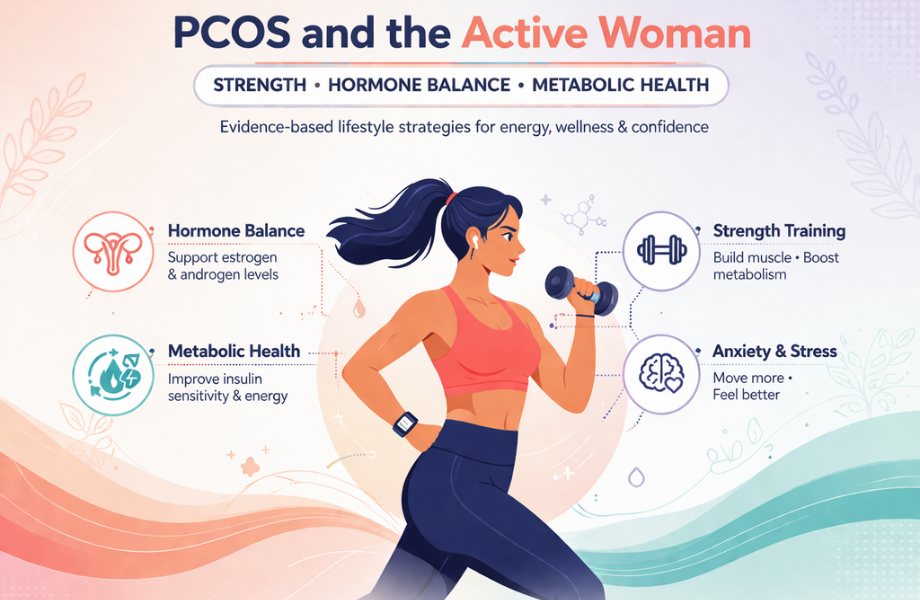
How Exercise Supports Women with PCOS?
Exercise is widely recommended as an important part of lifestyle management for women with Polycystic Ovary Syndrome (PCOS). International guidelines developed by experts in endocrinology, gynecology, exercise physiology, dietetics, and obstetrics emphasize the role of physical activity in supporting overall health and managing symptoms associated with PCOS.
These recommendations were created through a large international collaboration involving healthcare professionals and patient representatives. Researchers evaluated scientific evidence and clinical questions related to lifestyle management [2] in PCOS, including the role of exercise as a therapeutic strategy. The guideline development process followed established frameworks to assess evidence quality, feasibility, and clinical relevance before reaching consensus recommendations.
Although current research evidence on exercise specifically for PCOS remains limited, experts agree that regular physical activity can provide important health benefits. As a result, clinicians often recommend exercise guidelines similar to those for the general population while continuing to explore more targeted exercise strategies for women with PCOS.
What are the Recommended Physical Activity for Women with PCOS?
International guidelines recommend physical activity as an important part of managing Polycystic Ovary Syndrome (PCOS). These recommendations were developed through global collaboration involving experts in endocrinology, gynecology, exercise physiology, dietetics, and obstetrics, along with input from patient representatives.
To establish these recommendations, experts carefully reviewed scientific evidence and clinical questions related to lifestyle management in PCOS. The guideline development process included:
- Comprehensive research reviews examining the role of exercise as a therapy for PCOS
- Consultations with healthcare professionals and patient groups to understand clinical needs and experiences
- Evaluation of evidence quality using established frameworks that assess benefits, risks, feasibility, and implementation
- Consensus discussions among guideline panel members to develop practical recommendations for lifestyle management
Based on these evaluations, experts recommend that women with PCOS follow general physical activity guidelines, which commonly include regular aerobic exercise and resistance training[3]. These activities may help improve metabolic health, regulate hormones, and support overall wellbeing in women managing PCOS.
What Is the Impact of PCOS on Women’s Mental Health?
Research shows that women with Polycystic Ovary Syndrome (PCOS) often experience greater mental health challenges compared with women without the condition. A study involving women aged 18–50 years examined the relationship between physical activity, PCOS, and mental health outcomes such as anxiety and depression. Participants completed surveys that assessed physical activity levels, psychological wellbeing, and common barriers or motivations related to exercise.
The findings indicated that women with PCOS reported higher levels of depression and anxiety symptoms[4] than those without the condition. However, the study also showed that women who engaged in regular physical activity experienced lower levels of depression compared with inactive participants. This suggests that exercise may play an important role in improving psychological wellbeing for women managing PCOS.
The research also highlighted several challenges affecting exercise participation. Women with PCOS were more likely to report lack of confidence in maintaining regular activity, fear of injury, and perceived physical limitations as barriers to exercise. At the same time, many women with PCOS reported being motivated to stay active to better manage their health condition.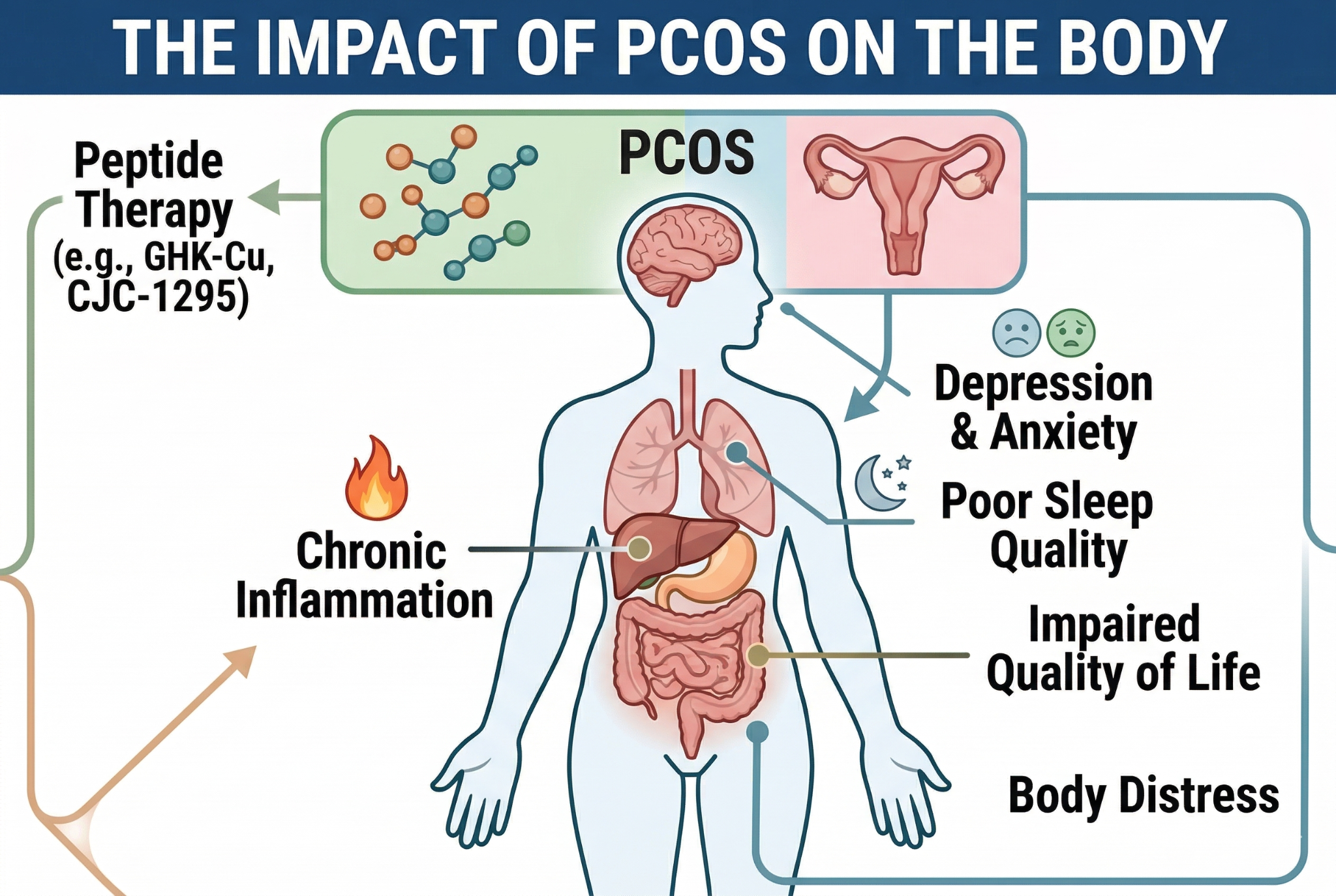
What Challenges Do Active Women with PCOS Face?
Polycystic Ovary Syndrome (PCOS) is a complex endocrine disorder affecting women of reproductive age, with prevalence estimates ranging from about 4% to 22.5% depending on the diagnostic criteria used. The condition is associated with a wide range of reproductive, metabolic, and psychological symptoms. Because the exact causes of PCOS are not fully understood and may involve genetic, environmental, and developmental factors, treatment strategies usually focus on managing symptoms rather than addressing a single underlying cause.
Metabolic and Weight-Related Challenges
Women with PCOS often experience metabolic changes such as insulin resistance[5] and increased risk of weight gain. These factors can worsen symptoms and make weight management harder. Lifestyle strategies like regular exercise and balanced nutrition are commonly recommended to help improve metabolic health.
Diagnostic and Clinical Management Difficulties
Diagnosing PCOS can be complex because symptoms overlap with other conditions, and diagnostic standards may vary. Although guidelines recommend the Rotterdam criteria, inconsistent use in clinical practice can lead to differences in diagnosis and treatment approaches among healthcare providers.
Psychological and Treatment-Related Concerns
Many women with PCOS report dissatisfaction with the diagnostic process and limited information about treatment options. Psychological distress is also common after diagnosis. Some women struggle with weight management or express concerns about medications, leading them to explore alternative management approaches.
Better PCOS Management with EmbraceRx
Managing PCOS while maintaining an active lifestyle can be difficult, especially when hormonal imbalance affects energy levels, metabolism, and overall well-being. Many women experience symptoms such as fatigue, irregular cycles, insulin resistance, and difficulty maintaining consistent performance during physical activities. Addressing these challenges often requires a combination of lifestyle strategies, medical support, and personalized care.
EmbraceRx offers access to healthcare professionals and personalized treatment options designed to help women manage hormonal conditions like PCOS more effectively. Through convenient digital healthcare services, patients can explore medical guidance, treatment plans, and prescription therapies that support hormonal balance, improve metabolic health, and help maintain an active, healthy lifestyle.
FAQs
What is PCOS in active women?
PCOS is a hormonal disorder that affects ovulation, metabolism, and hormone levels. In active women, it may influence energy regulation, recovery, and body composition. Proper medical care, lifestyle management, and regular exercise can help reduce symptoms and support overall health.
Can exercise improve PCOS symptoms?
Yes, research shows that aerobic and resistance exercise can improve insulin sensitivity, hormonal balance, and metabolic health in women with PCOS. Regular physical activity may also reduce cardiovascular risk factors and support better reproductive health outcomes.
How much exercise is recommended for women with PCOS?
Most guidelines recommend at least 150 minutes of moderate exercise per week or 75 minutes of vigorous activity, combined with strength training sessions. Regular exercise may improve metabolic health and help manage symptoms associated with PCOS.
Can active women still struggle with PCOS symptoms?
Yes, even physically active women may experience hormonal imbalance, fatigue, or metabolic changes due to PCOS. Lifestyle strategies combined with medical care and personalized treatment plans can help manage these symptoms more effectively.