
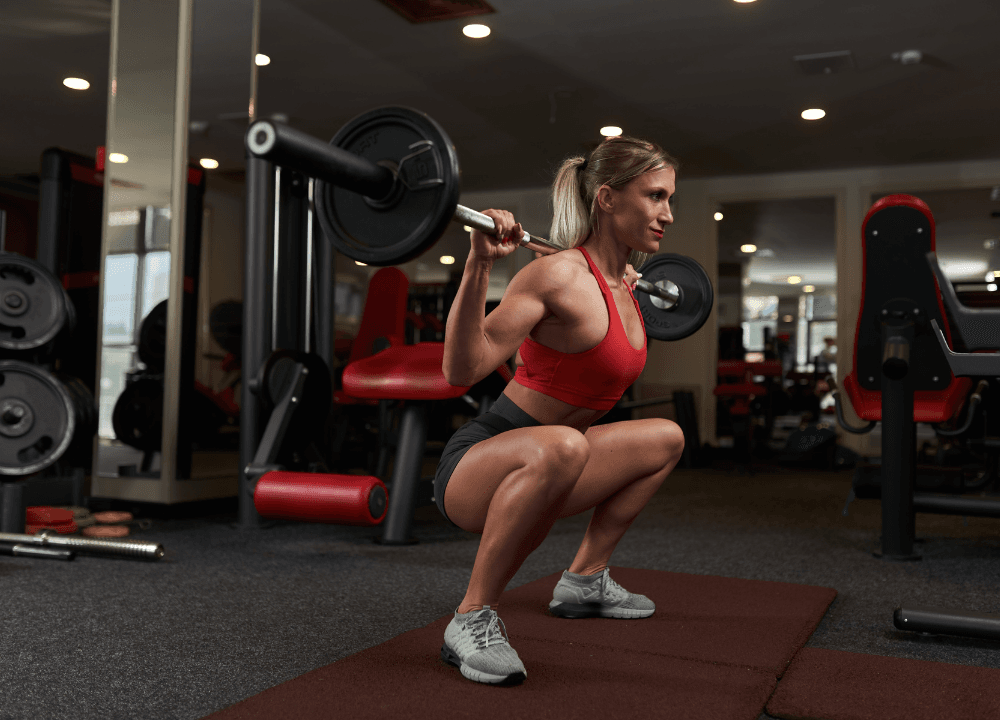
Hormone Therapy for Active Women
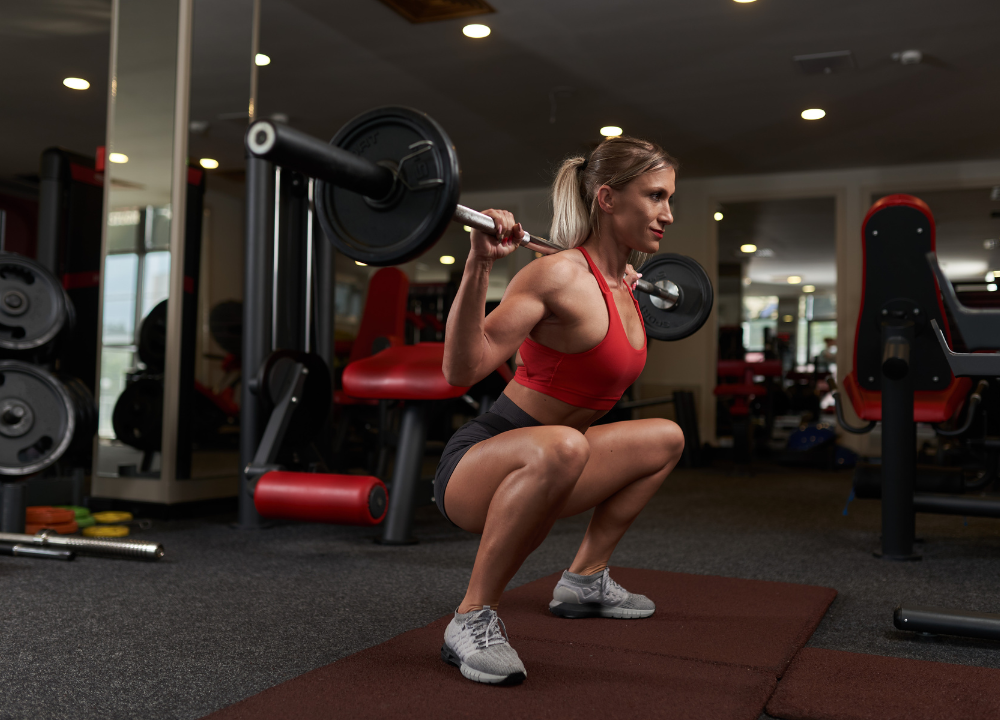
Hormone therapy helps active women manage hormonal changes that occur during perimenopause and menopause. When estrogen and progesterone levels decline, women may experience fatigue, reduced endurance, slower muscle recovery, and metabolic changes. Hormone therapy can help stabilize hormone levels and support energy balance, bone density, and physical performance in active lifestyles.
Hormonal imbalance can also influence sleep quality, mood stability, and recovery after exercise. Addressing these hormonal shifts through appropriate medical approaches may help maintain overall wellness and physical capability for women who maintain demanding training routines or physically active daily schedules.
For women looking for convenient access to personalized treatment options, EmbraceRx provides a modern approach to healthcare. Through online consultations and prescription support, EmbraceRx helps individuals explore hormone-related treatment options with professional medical guidance, making it easier to manage symptoms and maintain an active, healthy lifestyle.
How Does Hormone Therapy Affect Mood?
A double-blind crossover trial [1] examined how hormone therapy affects mood and emotional well-being. The study involved 49 women who had previously undergone hysterectomy and bilateral oophorectomy. Each participant received four treatment phases lasting three months each: ethinyl estradiol (50 μg/day), levonorgestrel (250 μg/day), a combined preparation known as “Nordial,” and a placebo.
Researchers assessed emotional changes using the Hamilton Depression Rating Scale, verbal reports from participants, and self-evaluations through visual analogue scales. The findings showed that ethinyl estradiol[2] improved several mood-related factors, including Hamilton scores, anxiety, irritability, and sleep disturbances such as insomnia.
The positive effect of hormones on Hamilton scores was partly linked to the reduction of hot flashes, although this did not fully explain the improvements observed. Levonorgestrel initially produced less favorable mood responses, but these effects gradually decreased by the third month of treatment.
Why Do Active Women Consider Hormone Therapy?
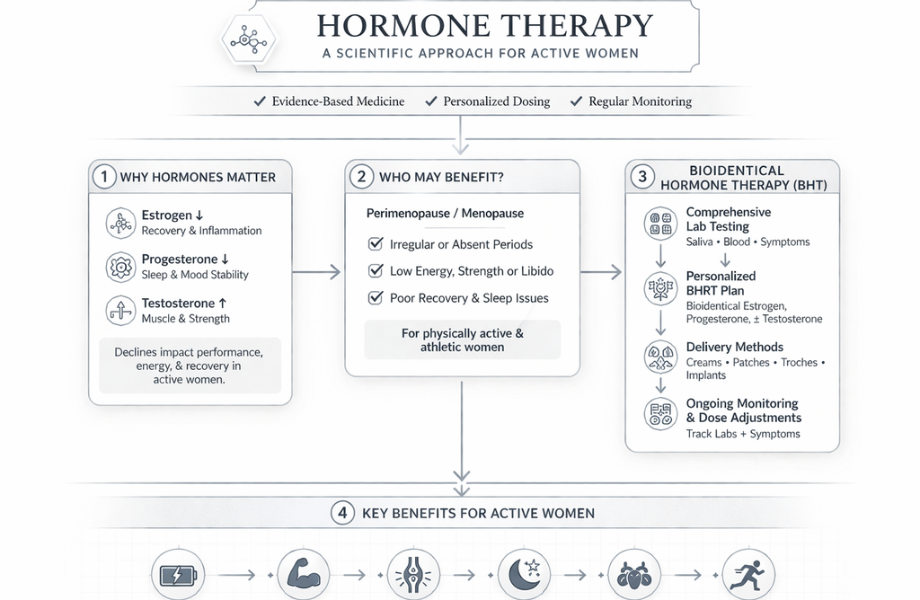
Active women consider hormone therapy because hormonal decline, especially reduced estrogen levels, can affect endurance, muscle recovery, and energy production. Estrogen [3] helps regulate metabolic processes, cardiovascular function, and bone strength, all of which are important for women who maintain regular physical activity.
1- How Hormonal Changes Affect Sleep
Hormonal fluctuations during perimenopause and menopause can disrupt sleep patterns. Many women experience night sweats or frequent awakenings, which reduce sleep quality. Poor sleep can limit muscle recovery, reduce energy levels, and negatively affect training performance.
2- Impact on Joint and Connective Tissue Health
Declining estrogen levels may influence joint flexibility and connective tissue health. Some women notice increased joint stiffness or discomfort during physical activity. Maintaining hormonal balance may help support joint stability and reduce discomfort during exercise or strength training.
3- Changes in Stamina and Physical Performance
Hormonal shifts can also influence overall stamina and endurance. Lower estrogen levels may affect energy production and cardiovascular efficiency. Hormone therapy may help stabilize these physiological processes and support consistent performance in physically active women.n
What Benefits Might Hormone Therapy Offer Physically Active Women?
Hormone therapy may support bone density, muscle recovery, and cardiovascular health in active women. Estrogen contributes to connective tissue health and helps maintain bone mineral density, which is essential for women involved in high-impact physical activities or strength training.
Research also suggests that hormone therapy may help reduce menopausal symptoms such as hot flashes and sleep disturbances, which can interfere with recovery and training performance. Public health information regarding hormone therapy can be found at the Office on Women’s Health[4].
For physically active women, hormone therapy may provide several potential benefits, including:
- Improved bone strength: Estrogen helps maintain bone mineral density, which may lower the risk of fractures and support long-term skeletal health.
- Better muscle recovery: Balanced hormone levels may help reduce inflammation and support muscle repair after intense workouts.
- Enhanced energy regulation: Hormone therapy may help stabilize metabolic processes that influence endurance and energy levels during physical activity.
- Reduced menopausal symptoms: Managing hot flashes and night sweats may improve sleep quality, which is essential for recovery and performance.
- Support for joint and connective tissue health: Estrogen contributes to connective tissue integrity, which may help protect joints during strength training or high-impact sports.
Together, these benefits may help active women maintain consistent training routines, improve recovery, and support overall physical wellbeing during hormonal transitions.
What are the Impacts of Hormone Therapy on Body Weight?
Research from the Postmenopausal Estrogen/Progestin Interventions (PEPI) trial, a three-year randomized, placebo-controlled study involving 875 women, examined how different hormone therapy regimens influence body weight and body measurements. The study evaluated several treatments, including oral conjugated equine estrogen [5](CEE) alone and in combination with different forms of progesterone.
The results showed that women receiving estrogen therapy, with or without a progestin, experienced slightly less weight gain compared with those taking a placebo. On average, participants using hormone therapy gained about 1 kilogram less weight over the three-year period. They also showed smaller increases in waist and hip measurements, suggesting a potential influence of hormone therapy on body fat distribution.
However, when researchers accounted for changes in body weight in statistical analyses, the differences in waist and hip measurements were no longer statistically significant. Additionally, the study found no major differences in weight change among the various hormone therapy regimens, indicating that the type of hormone combination did not significantly alter outcomes.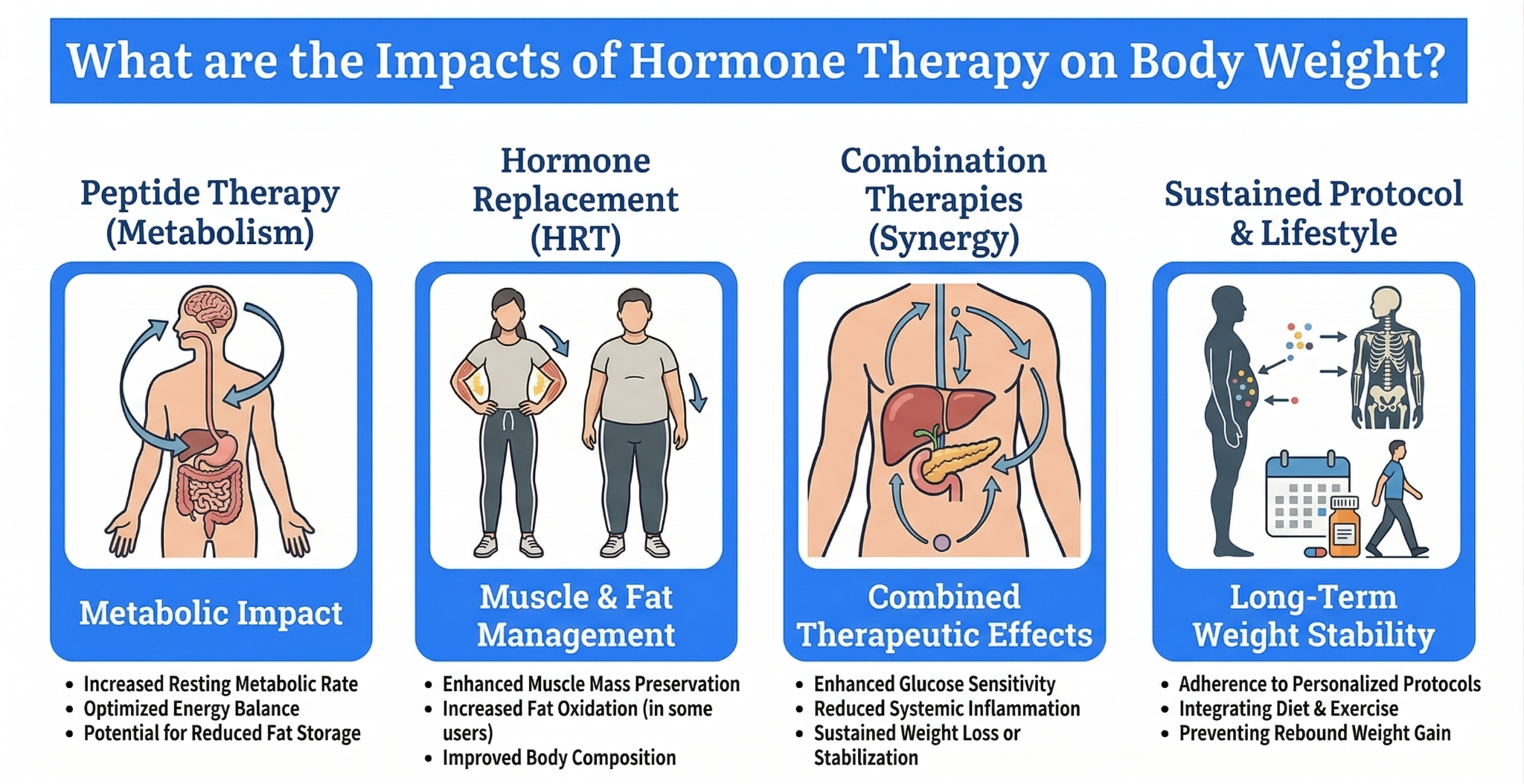
**Role of Hormone Therapy in the Management of Menopause
**
Various treatment options exist to improve the health and quality of life of menopausal women. The main reason for using hormone therapy (HT) is to manage vasomotor symptoms such as hot flashes and night sweats. For healthy women experiencing bothersome symptoms at the time of menopause, the benefits of HT usually outweigh the potential risks.
Although hormone therapy may increase the risk of coronary heart disease, research shows that this risk mainly affects older women or those who begin treatment many years after menopause. Therefore, HT is not recommended for preventing heart disease, but it is considered relatively safe for short-term relief of menopausal symptoms in otherwise healthy women.
Long-term use of hormone therapy may raise the risk of breast cancer, which is why medical experts generally recommend using HT for a limited duration. While HT can help prevent and treat osteoporosis[6], it is rarely prescribed solely for this purpose. When symptoms are limited to vaginal discomfort, low-dose local estrogen therapy is typically the preferred treatment option.
Personalized Hormone Support with EmbraceRx!
Hormonal imbalance can make it difficult for active women to maintain energy levels, endurance, and overall physical performance. Symptoms such as fatigue, slower recovery, and metabolic changes may affect both daily wellness and athletic activity.
EmbraceRx provides access to healthcare professionals and prescription treatment options that may help individuals manage hormone-related symptoms. Through digital healthcare services, patients can explore medical guidance and treatment solutions designed to support hormonal health and overall wellbeing.
FAQs
What is hormone therapy for active women?
Hormone therapy is a medical treatment that replaces hormones such as estrogen or progesterone that decline during menopause. For active women, it may help reduce symptoms like fatigue, hot flashes, and bone loss while supporting hormonal balance, recovery, and overall physical wellbeing.
Can hormone therapy improve physical performance in women?
Hormone therapy may help maintain stable hormone levels that influence energy production, muscle recovery, and bone health. By supporting these physiological processes, it may indirectly help physically active women maintain endurance, training consistency, and overall exercise performance during menopause.
Is hormone therapy safe for physically active women?
Hormone therapy can be safe for many women when prescribed and monitored by qualified healthcare professionals. Doctors evaluate factors such as age, medical history, lifestyle, and menopause stage to determine whether hormone therapy is appropriate and beneficial.
Are there non-hormonal alternatives for managing symptoms?
Yes, several non-hormonal approaches may help manage menopausal symptoms. Regular exercise, balanced nutrition, stress management, and quality sleep can support hormonal health. In some cases, healthcare providers may also recommend non-hormonal medications or lifestyle-based treatment strategies.