
Are Peptides Worth the Hype? What Real Users Are Saying:
Blog Content
**Title Tag (under 60 characters):
**Are Peptides Worth It? Real Results, Research & Safety Tips
**Meta Description (under 120 characters):
**Explore real peptide results, benefits, and safety tips. Shop trusted formulas now with expert-backed guidance from Nuvamed.
Yes, peptides are definitely worth paying attention to. These small protein building blocks are making waves in skincare, fitness, and wellness circles, and for good reason. Research 1 shows that peptides may help with skin repair, faster muscle recovery, and even support your body’s overall metabolism. In simple terms, they work by signaling your cells to heal, regenerate, or perform better.
Studies have shown some impressive results in controlled lab settings:
- Healthier, firmer skin
- Faster wound healing
- More energy at the cellular level
Ready to Expand Your Research? Now is the time to explore high-quality peptides from trusted sources. Whether your laboratory is focused on cellular regeneration, metabolic studies, or tissue recovery mechanisms, selecting peptides from compliant vendors can directly influence data integrity. Shop research-grade compounds at Nuvamed, where purity meets precision. Please note: All products are strictly for laboratory research purposes and are not approved for human use.
Peptides in Focus – What Science and Users Say
Peptides have been scientifically proven to support skin regeneration, muscle repair, and hormonal regulation; however, their effectiveness varies depending on the type and use case. Research studies 2 published on PubMed indicate that specific peptides, such as collagen peptides and growth hormone secretagogues, can enhance skin elasticity, promote muscle recovery, and even support fat metabolism.
On the user side, real-world experiences are mainly positive, especially in fitness and skincare forums. However, anecdotal evidence varies due to differences in dosage, product quality, and individual response. That’s why experts recommend using medically reviewed peptides and avoiding unverified sources to minimize risks.
How Do Peptides Work in the Human Body?
Peptides function by binding to cell receptors and sending targeted signals that trigger essential processes like healing, muscle repair, hormone release, fat metabolism, and immune regulation. As short chains of amino acids, they act as biological messengers, and their precise effects depend on the type of peptide, making them valuable in both medical and cosmetic applications.
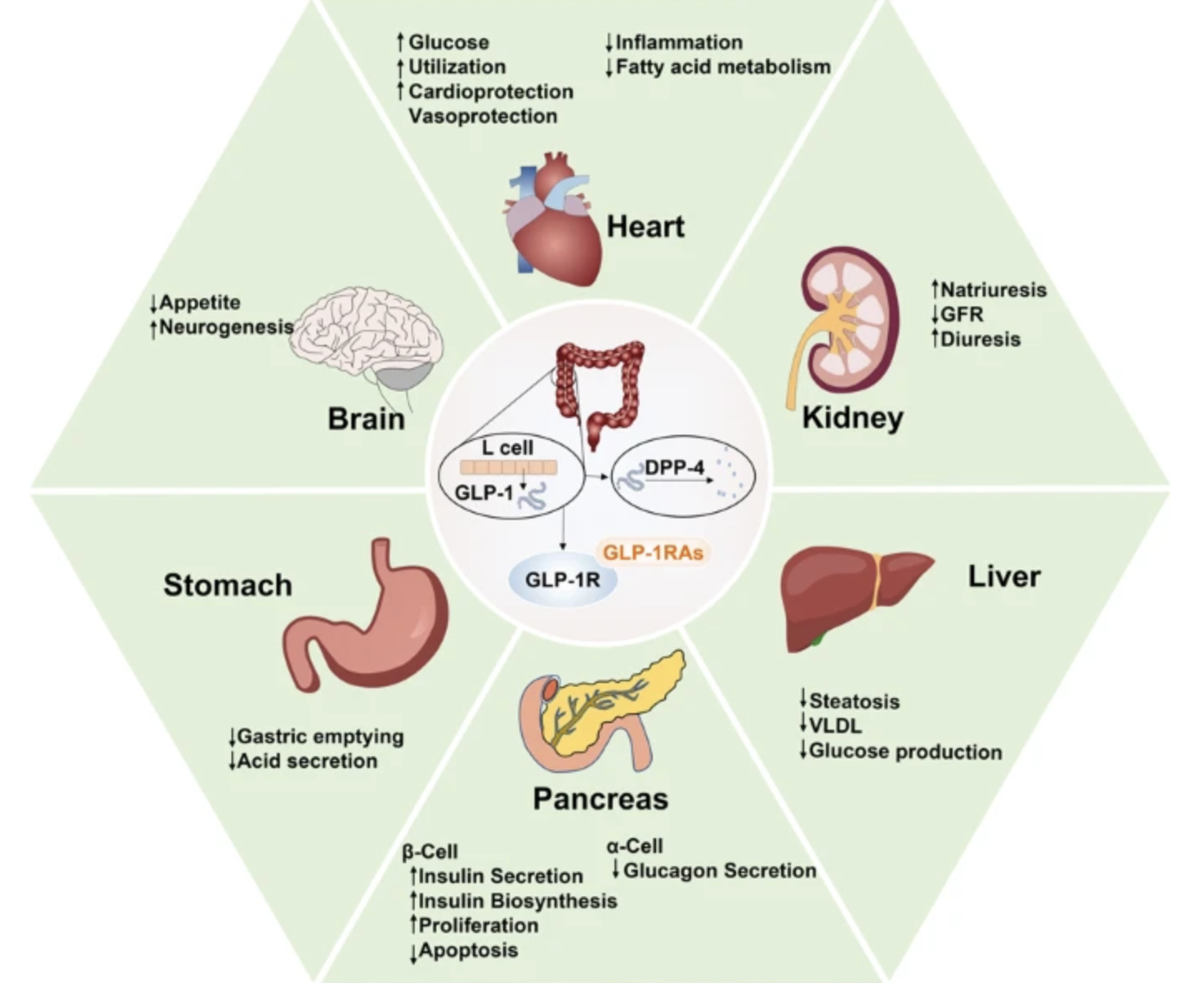
Image Source: Research Article
Mechanisms Behind Peptide Activity
- **Hormonal Stimulation
**Peptides such as CJC-1295 and Ipamorelin stimulate the release of growth hormone from the pituitary gland, supporting muscle growth, fat metabolism, and recovery. - **Skin and Tissue Repair
**Peptides such as Matrixyl and Argireline boost collagen production, improving skin elasticity and reducing wrinkles. - **Immune Response Regulation
**Specific peptides reduce inflammation and enhance immune cell activity, improving the body’s response to infections and injuries. - **Cellular Communication
**Peptides bind to cell receptors, triggering signaling pathways that support tissue regeneration, hormone balance, and cellular repair.
Peptides are becoming more popular for good reason. They’re showing promise in many areas of health, like balancing hormones, supporting skin repair, boosting the immune system, and even helping with anti-aging. What makes peptides stand out is their ability to work naturally with the body, supporting the processes that help you feel and look your best. As their benefits become more widely known, more people are turning to peptides as part of their wellness routines.
The Real Benefits of Peptides – What We Know So Far
Peptides are gaining attention because they offer a wide range of health and wellness benefits. They’ve been linked to reducing inflammation, fighting harmful bacteria, protecting the body from stress and damage, and even helping to support healthy blood pressure. Many people are now exploring peptides to help manage long-term health issues like type 2 diabetes 3, joint pain, heart health, and age-related muscle loss. While there's still more to learn, what we know so far shows that peptides can play a valuable role in supporting everyday health.
Muscle Growth and Recovery – What Studies Show
Peptides like BPC-157, TB-500, and CJC-1295 support muscle repair and endurance by promoting angiogenesis, stimulating fibroblast activity, and accelerating tissue regeneration. Studies 4 have shown that these peptides can reduce recovery time and injury risk, particularly in sports medicine. While human data is limited, animal and in vitro research 5 confirms their regenerative potential.

Skin Repair and Anti-Aging: Clinical Insights.
Peptides such as Matrixyl, Copper peptides, and Argireline have shown efficacy in increasing fibroblast activity and collagen deposition in skin models. Controlled trials 6 and mechanistic studies suggest their application in dermatological formulations designed to reduce wrinkles and enhance hydration. 
Peptides for Weight Loss – Scientific Findings
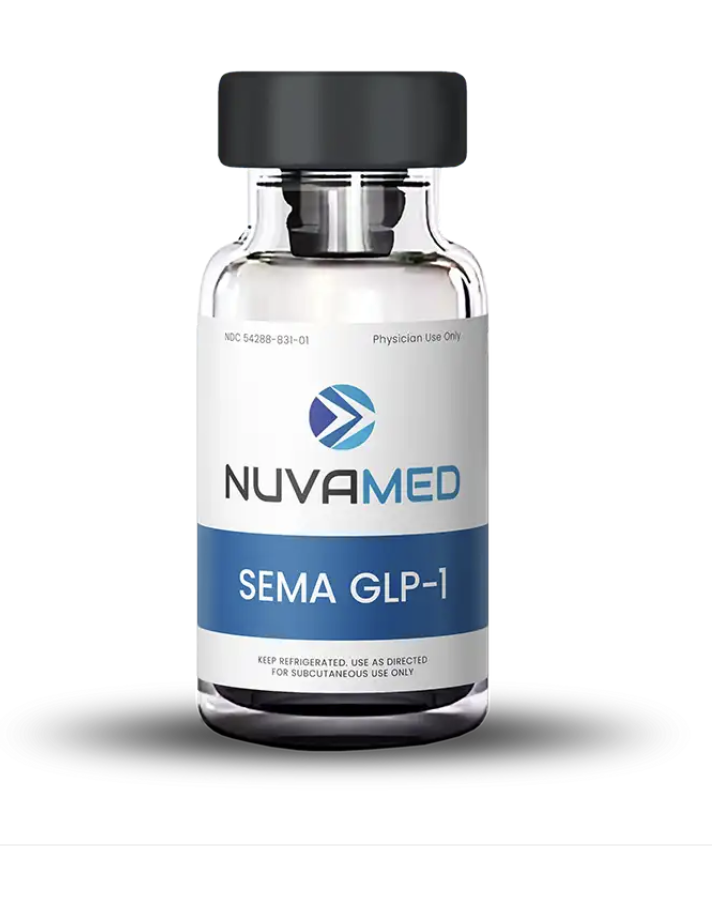
Peptides such as CJC-1295, Ipamorelin, and Semaglutide have demonstrated effectiveness in regulating appetite, improving insulin sensitivity, and enhancing basal metabolic rate in experimental settings. Semaglutide, specifically, has gained FDA approval for obesity management; however, all references to weight loss applications in research must be framed within the context of mechanistic and metabolic studies**.**
Other Scientifically Backed Benefits of Peptides
Anti-Diabetic Effects: Food-derived bioactive peptides have been shown to inhibit DPP-IV and improve insulin sensitivity in preclinical studies.
Cardiovascular Support: ACE-inhibitory peptides reduce blood pressure and are investigated as natural alternatives to conventional therapy.
Joint and Bone Health: Collagen peptides are being studied for their potential to reduce inflammation and increase bone mineral density.
Immune Modulation: Select peptides exhibit anti-inflammatory actions and regulate immune responses in cell-based models.
Understanding Peptide Safety and Side Effects.
Peptides should be handled in compliance with laboratory safety protocols. Although generally well-tolerated in research environments, peptides must be sourced from suppliers that offer verified third-party testing. Use outside of lab conditions is not recommended. Reported side effects in test models include mild injection site irritation, hormonal fluctuations, and GI disturbances, particularly at high or off-protocol dosages.
Are Peptides Safe? What the Research Shows:
Yes, when used in controlled research settings and sourced from verified vendors, peptides exhibit a strong safety profile. However, safety varies with dosage, compound stability, and administration route. However, the long-term safety 7 of some synthetic or performance-enhancing peptides is still being evaluated in clinical settings.
Common Things People Notice When Using Peptides
What Can Happen
What It Means
Mild skin reactions.
Some people notice redness or swelling where the injection was given.
Stomach discomfort.
Peptides like collagen can sometimes cause bloating or loose stools.
Hormonal changes
Some users report feeling tired or moody, especially with peptides that affect hormones.
Contamination risk
Using low-quality or unclean products can lead to health risks.
Inconsistent effects
Taking the wrong dose or using it incorrectly can make results less reliable.
Important Safety Tips When Using Peptides
- Don’t use unapproved products on yourself: Always choose peptides from trusted, regulated sources.
- Store them properly: Follow the storage instructions, like keeping them refrigerated, to protect their quality.
- Check product details: Keep track of batch numbers and product information in case you need to verify quality.
- Use the right amount: Stick to recommended doses and forms to avoid side effects or wasted product.
Why Nuvamed Is the Trusted Choice for Quality Peptides.
Buying peptides online can be risky, especially when you’re not sure where they come from, how they’re made, or whether they’ve been properly tested. Poor-quality or mislabeled peptides don’t just waste your money; they can also affect your health and lead to disappointing results.
Each product includes:
- Verified purity and potency
- Full Certificates of Analysis (CoAs)
- Clear usage guidelines and molecular details
- Support from a team that understands both scientific and wellness goals
At Nuvamed, we take the guesswork out of the equation. We offer high-purity, third-party tested peptides that meet strict quality control standards, so you know exactly what you’re getting. Whether you’re using peptides for skin health, muscle recovery, wellness, or longevity, you can trust Nuvamed to deliver safe, consistent, and effective compounds. Shop Now for high-quality peptides you can trust.
FAQS
Which peptide is best for the skin?
Matrixyl (palmitoyl pentapeptide) is widely regarded as the most effective peptide for skin due to its clinically proven ability to stimulate collagen production, reduce fine lines, and enhance skin elasticity. It is commonly used in anti-aging skincare products and delivers visible results within a few weeks of consistent use. Other effective options include Copper peptides, which aid in wound healing and skin regeneration, and Argireline, which is known for minimizing expression lines by relaxing facial muscles.
Can you use peptides for weight loss?
Yes, peptides can be used for weight loss, particularly those that regulate metabolism and appetite. Peptides like Semaglutide and Liraglutide, which are GLP-1 receptor agonists, are clinically approved for managing obesity by reducing hunger and improving blood sugar control. Others, such as CJC-1295 and Ipamorelin, stimulate the release of growth hormone, which supports fat metabolism and muscle preservation. However, individual results vary, and medical supervision is essential to ensure safe and effective use.
How can peptides help in muscle growth?
Peptides support muscle growth by increasing growth hormone levels, promoting protein synthesis, and accelerating recovery. Compounds such as CJC-1295, Ipamorelin, and IGF-1 LR3 aid in repairing muscle tissue, reducing inflammation, and promoting lean muscle development. This makes them practical tools for improving performance, endurance, and post-exercise muscle regeneration when used under medical supervision.
What’s the average time before peptides show results?
Peptides typically begin to show results within 4 to 12 weeks, depending on the type, dosage, and individual response. Muscle-building and recovery peptides may produce noticeable effects within 4 to 6 weeks, while skin and anti-aging peptides often take 8 to 12 weeks. Consistent use and proper administration are essential for effective results.
Are injectable peptides more effective than oral ones?
Yes, injectable peptides are generally more effective than oral ones because they bypass the digestive system and enter the bloodstream directly, ensuring higher bioavailability. Oral peptides often break down in the stomach, reducing their potency. However, advancements in peptide formulations are improving the effectiveness of specific oral and topical versions.